
Саният Меджидовна

понедельник, 7 февраля 2022 г.
London.
London
London is the capital of Great Britain, its political, economic and commercial centre. It’s the main port of Great Britain. It is one of the greatest cities of the world. Its population is about 9 million people.
The city was founded by Romans in the 1st century AD and it was called Londinium. The English are very proud of the long history of their capital. The city became very rich in the 16th century. Then in 1665 and 1666 two catastrophes occurred: epidemic of plague which killed 100,000 citizens, and the Great Fire which destroyed the City.
London is a real museum of architecture. Traditionally London is divided into: the City, the West End, Westminster and the East End.
The City is the heart of London, its financial and business centre. Few people live in this part of London but over a million come here to work. There are a lot of famous ancient buildings in the City, for example St.Paul’s Cathedral.
Westminster is one of the most famous historic areas in London as it contains both the seat of Government (the Houses of Parliament) and the crowning place of kings and queens (Westminster Abbey).
The West End is the centre of London. There are historical palaces, museums, beautiful parks, large department stores, hotels, restaurants, theatres and concert halls in this part of London. One of the most beautiful palaces is Buckingham Palace, the official residence of the Queen. The oldest of all the royal residences in London is the Tower of London. The broad Mall leads from Buckingham Palace to Trafalgar Square.
If you go to the east of the City, you’ll find yourself in the East End. This is an industrial part of London. The Port of London is also in the East End.
Tasks
1. Translate into English
Коммерческий центр, главный порт, был основан, стал очень богатым, эпидемия чумы, разделен, сердце Лондона, мало людей, старинные здания, содержит, официальная резиденция королевы.
2. Your friend, who has never been to London, wants to learn more about it. Answer his/her questions.
1. What is the population of London?
2. Who founded London?
3. What was the first name of London?
4. What catastrophes occurred in the 17th century?
5. What parts is London divided into?
6. Where is St.Paul’s Cathedral situated?
7. What is the official residence of the Queen?
8. What sights of interest is London famous for?
9. What is the oldest royal residence in London?
3. Finish the sentence…
1. London is the main port of …
2. It was founded by …
3. The Great Fire destroyed …
4. London is divided into …
5. There are a lot of … in the City.
4. Ask questions to the given answers.
1. 9 million people
2. Londinium
3. in the 16th century
4. the seat of Government
5. Buckingham Palace
5. Speak about London

понедельник, 20 декабря 2021 г.
Most Endangered Plants, Part 1.
10 Endangered Plants, Trees And
Below, we share a list of 10 endangered plants to spread awareness about the grave danger that these species face and with the hope that it still isn't too late to change this and enforce laws of conservation.
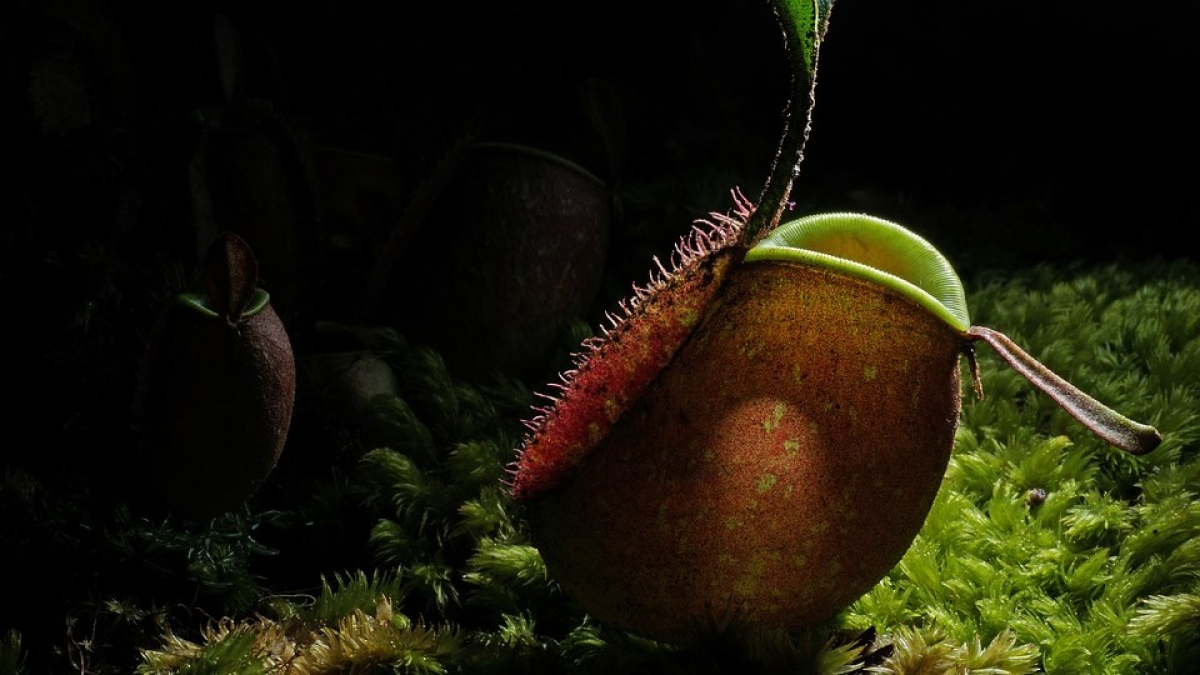
1. Attenborough Pitcher Plant (Nepenthes attenboroughii)
We start this list of endangered plants with this carnivorous species, named after the English broadcaster and natural historian, David Attenborough. Carnivorous plants are fascinating, mainly because of how they attract their prisoners so that they fall into their traps and then eat them.
Unlike others of its kind, which are mostly insectivores, this pitcher plant, easily recognizable for its inverted bell shape and size, this one, can also even consume small rodents.
It seems that this endangered plant species' habitat is limited to the island of Palawan in the Philipines, and its population is constantly shrinking.
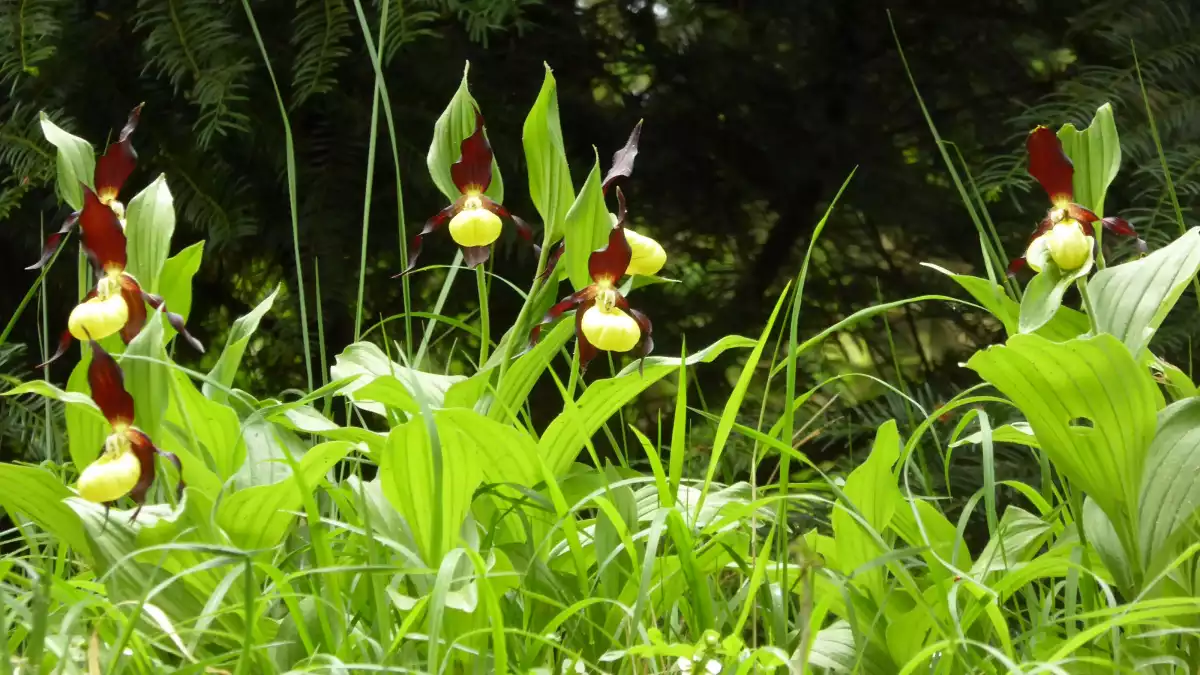
2. Lady's Slipper Orchid (Cypripedium calceolus)
This orchid is one of the most endangered flowers in the world. Its yellow-green color and the shape of its petals is reminiscent of Northern European lady's slippers -hence its name.
понедельник, 22 ноября 2021 г.
Most Endangered Animals, Part 6.
Sea Turtles
Next on our endangered species list are sea turtles. Two species of sea turtle are critically endangered on the IUCN Red List of Threatened Species: Hawksbill tartles and Kemps Ridley Turtles. Leatherback seaturtles are classified as Vulnerable, though the population is decreasing and several subpopulations are facing extinction.
Hunting is one of the biggest threats to sea turtles, with poachers targeting their eggs, shells, meat and skin. They are also at risk from habitat loss, bycatch, and pollution as well as climate change. Sand temperature determines the sex of hatchlings with eggs developing as females in warmer temperatures. That means even small temperature changes could skew the sex ratio of populations. Furthermore, breeding beaches could disappear underwater with sea-level rise.
Saola
The Saola is one of the rarest large mammals on Earth. It was first discovered in 1992 in the Annamite Range in Vietnam, an event so exciting it was hailed as one of the most spectacular zoological discoveries of the 20th century.
The Saola is elusive and so rarely seen it’s known as the Asian unicorn! Population numbers are hard to determine with any accuracy, but it is considered critically endangered, and it is one of the rarest large terrestrial mammals on Earth.


вторник, 26 октября 2021 г.
Most Endangered Animals, Part 5.
- Amur Leopard
Unfortunately, Amur leopards are one of the world’s most endangered big cats. They are as Critically Endangered on the IUCN Red List of Threatened Species, and between 2014 and 2015, there were only around 92 Amur leopards left within their natural range. That number is now estimated to be less than 70.
Like all species on our endangered list, humans are their biggest threat. Their beautiful coats are popular with poachers as are their bones which they sell for use in traditional Asian medicine. They are also at risk from habitat loss due primarily to natural and human-made fires. Climate change is also changing Amur leopard habitat and leading to a decrease in prey availability.

Kakapo
Kakapos are nocturnal ground-dwelling parrots from New Zealand, and yet another example of an animal brought to the edge of extinction by humans. They are critically endangered with only around 140 individuals remaining, each one with an individual name.
They were once common throughout New Zealand and Polynesia but now inhabit just two small islands off the coast of southern New Zealand. One of the main threats to Kakapos is predation from introduced species such as cats and stoats that hunt using scent. A kakapo’s natural reaction is to freeze and blend in with the background when threatened. It is effective against predators that rely on sight to hunt but not smell. Females also leave the nest unattended when finding food, leaving the eggs freely available to predators.
Intensive conservation measures mean the population is on the increase now, which is positive. But, genetic diversity is low among the remaining kakapo, which could affect survival in the future, especially if they are struck by a disease.
Подписаться на:
Комментарии (Atom)